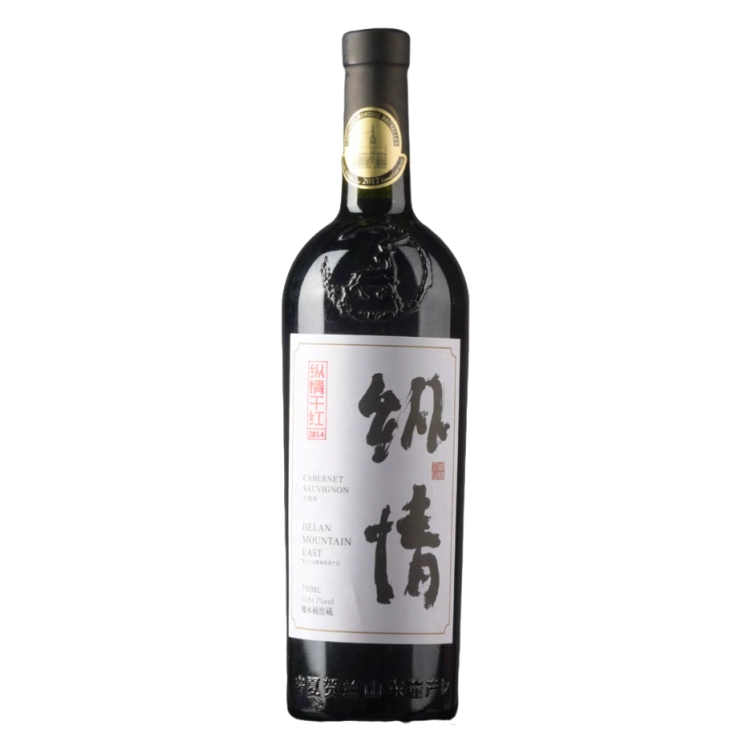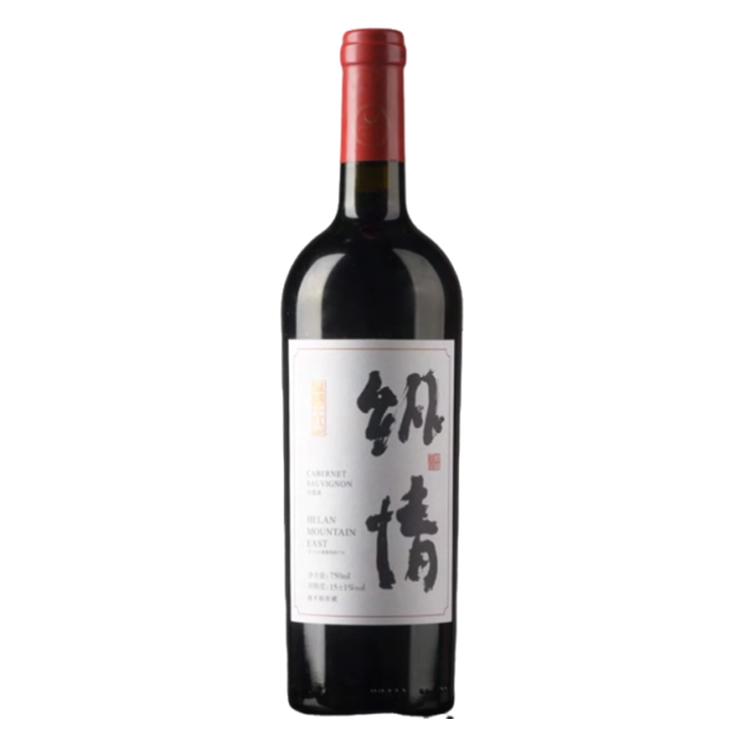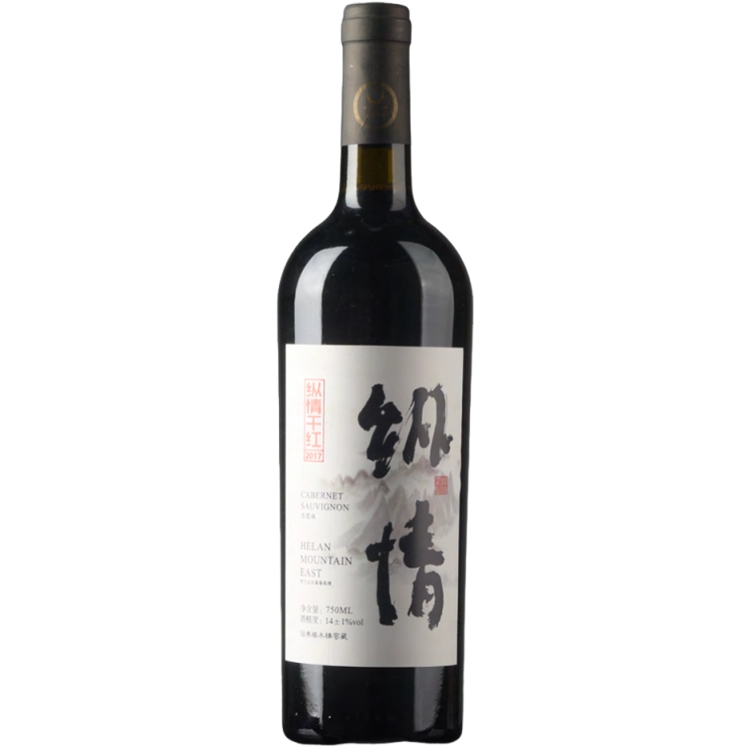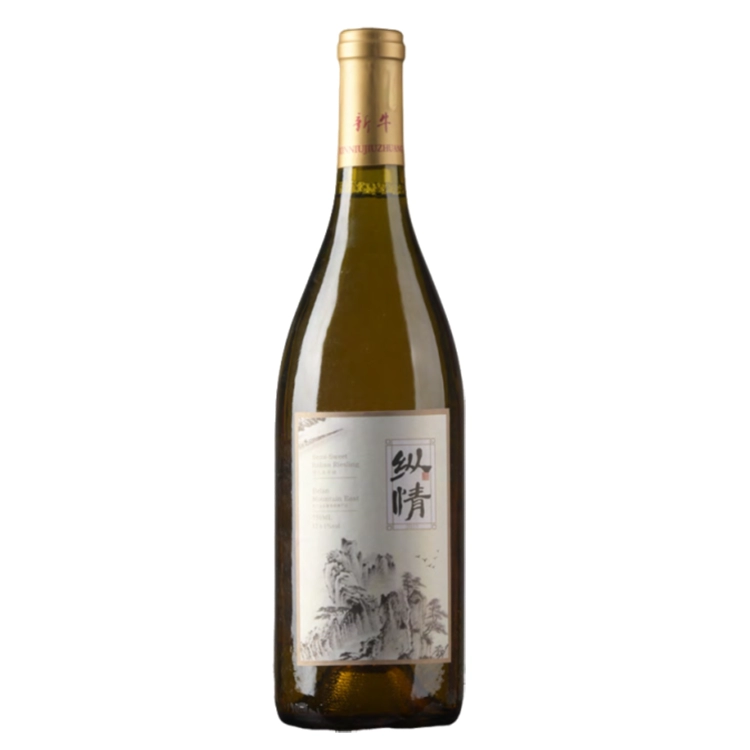

Buyers often ask which vintage of a Chinese wine they should be buying. In Ningxia the honest answer is that vintage matters, but less than it does in Bordeaux - and that the vintage number is a worse guide than the producer, the vineyard and the storage history behind the bottle.
This guide explains what a vintage actually tells you in the Helan Mountain region, how to judge a vintage decision without relying on scores, and how to buy older bottles without taking unnecessary risk.
Why vintages differ in a semi-arid region
Ningxia's climate is continental and dry: cold winters, warm sunny summers, marked day-to-night temperature swings, and little rain during the growing season. That steady baseline is why the region produces consistent wines year after year. But four events still separate one vintage from another:
- Spring frost. A late frost during budbreak reduces the crop and can leave uneven ripeness across a vineyard.
- Summer hail. Localised and unpredictable; a single storm can remove fruit from part of a vineyard and concentrate the rest.
- Rain at harvest. Unusual but decisive - it dilutes flavour and increases disease pressure if it arrives just before picking.
- Heat spikes. Very hot periods can push sugar ahead of flavour ripeness, producing higher alcohol with less aromatic complexity.
The practical consequence: in a good year the difference between two vintages of the same wine is one of style and intensity, not of quality. In a difficult year, the producer's selection decisions - what was picked, what was declassified - matter more than the year itself.
How to judge a vintage without a score
Vintage charts for Ningxia are published, but they are regional averages, and Helan Mountain spans a large area with different elevations and soil types. A more reliable method is to ask the producer four questions:
- What was the harvest date, relative to a normal year? An early or late harvest tells you what the season did.
- Was any fruit declassified or sold off? A producer who dropped fruit to protect quality is a producer worth buying from.
- How does this vintage differ from the previous one? Comparing two vintages of the same wine is more informative than any rating.
- Has this wine been held in the producer's own cellar, or has it travelled? Provenance answers the question that vintage numbers cannot.
Drinking windows by style
Vintage choice is really a question about when you intend to drink or to sell. As a general frame for Helan Mountain wines:
| Style | Typical drinking window | Buying note |
|---|---|---|
| Dry white, unoaked | Within 2-4 years of vintage | Buy the youngest vintage available; freshness is the point |
| Semi-sweet white | 2-5 years | Balance of sugar and acidity usually holds a little longer than a dry white |
| Entry-level dry red | 2-5 years | Fruit-forward styles are not improved by long cellaring |
| Cabernet Sauvignon, reserve level | 5-10 years, sometimes longer | Tannin and oak need time; a young reserve can taste closed |
| Cabernet Gernischt | 3-8 years | Softer structure than Cabernet Sauvignon; usually ready sooner |
| Older barrel-reserve vintages | Drink on purchase if provenance is uncertain | Storage, not the year, decides whether an older bottle is still good |
Treat the windows as planning guidance rather than fixed rules. A wine's tannin, acidity and oak regime shift the boundaries, and the producer's own technical sheet is the best guide to a specific bottling.
Buying older vintages safely
- Ask where the wine has been stored. A cellar kept cool and stable is the only meaningful proof of condition.
- Inspect fill level. A noticeably low fill suggests heat exposure, a leaking closure or excessive ullage.
- Check the closure and the label. Protruding corks and stained or wrinkled labels point to temperature swings in transit.
- Buy a sample before a parcel. With older vintages, always open a bottle from the lot you intend to buy.
- Price older wine as risk. If provenance cannot be demonstrated, buy it to drink, not to hold.
Buying checklist
- Match the vintage to the style: young for whites, structured and patient for reserve reds.
- Compare two vintages of the same wine rather than relying on a regional score.
- Ask the producer what the season did, and whether any fruit was declassified.
- For older bottles, verify storage and inspect fill level and closure before committing.
- Balance the range: keep a current vintage for volume sales and an older reserve for premium gifting.