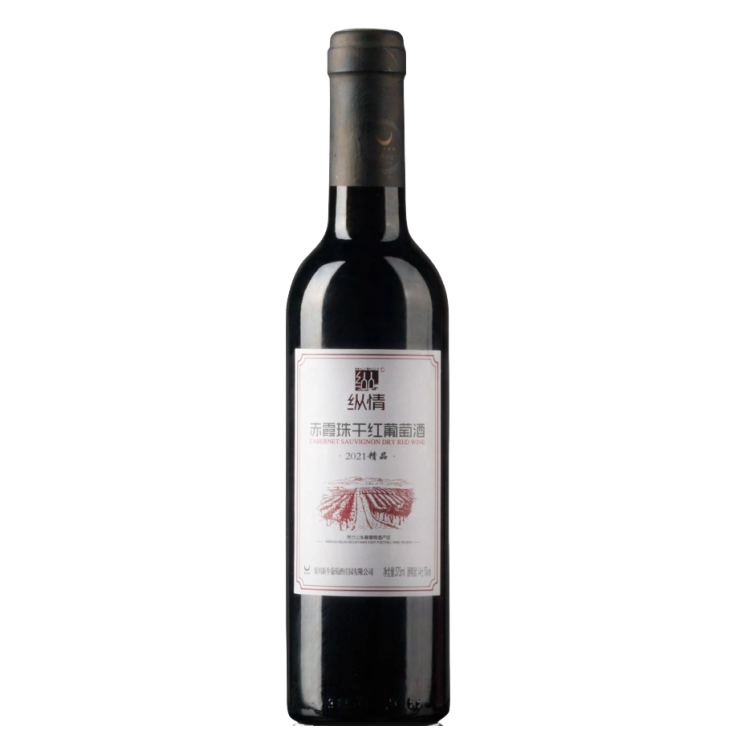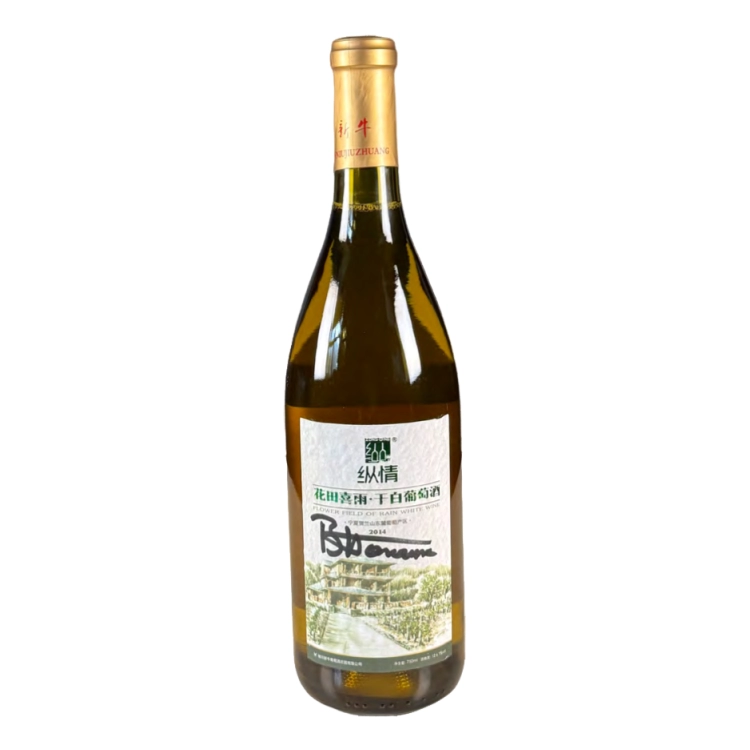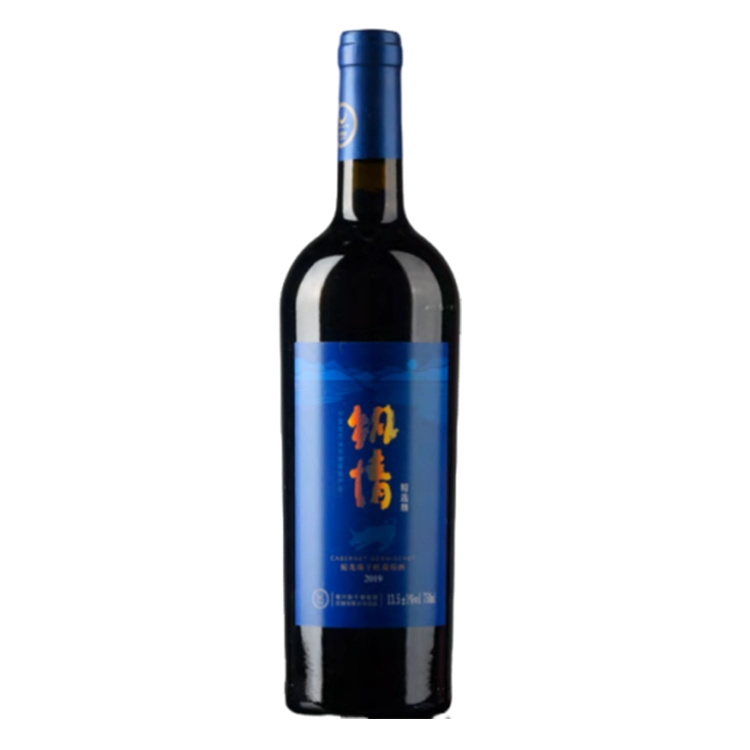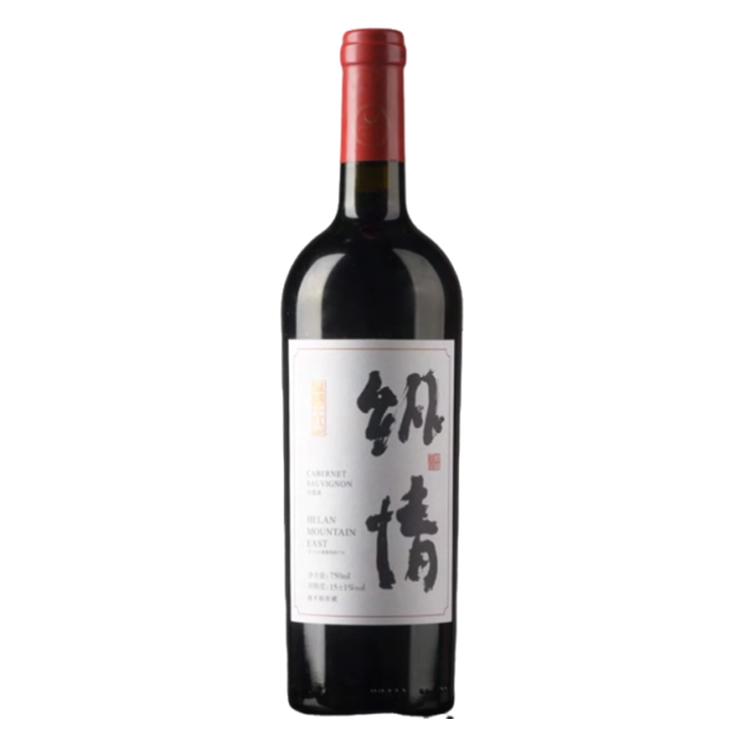
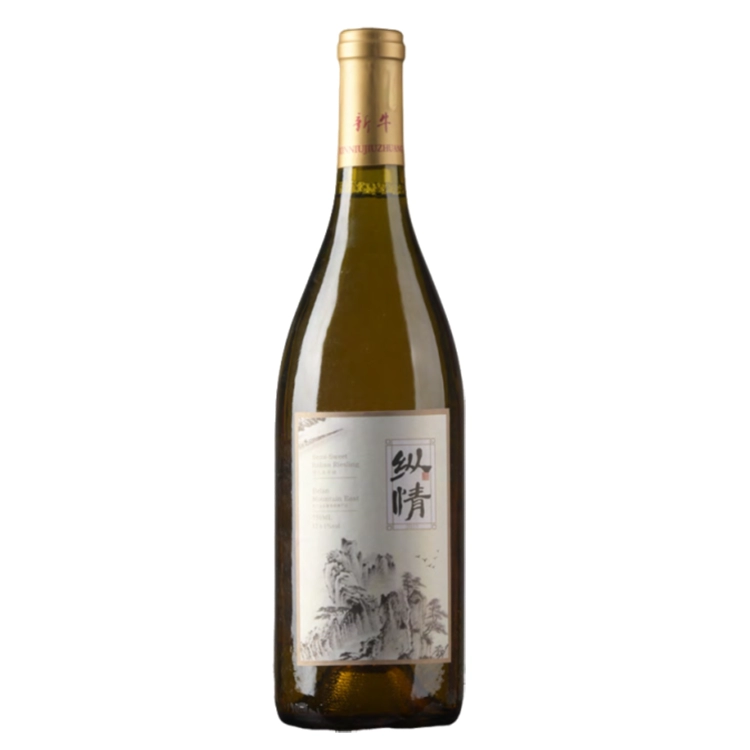
A Chinese wine label can be more informative than many buyers expect - and more confusing than it needs to be. The front label is usually designed for the export market, while the back label carries the legally required information in Chinese and English. Reading both, and knowing which terms are regulated and which are marketing, is the fastest way to judge what is actually in the bottle.
This guide walks through the parts of a Chinese wine label that matter when you are buying, using the wines of Ningxia's Helan Mountain region as the reference.
Region: what a protected appellation tells you
The most useful line on a Chinese wine label is the region. Ningxia Helan Mountain East Foothill (贺兰山东麓) is a protected geographical indication: wines carrying it must be made from grapes grown within a defined area and produced under the rules attached to that designation. For a buyer, an appellation statement is a minimum guarantee of origin - it does not certify quality, but it does exclude wine blended from bulk material sourced elsewhere.
China has several wine regions of commercial scale, including Shandong, Xinjiang, Yunnan and Hebei. If the label names a region, the wine came from there. If it names only "China" or nothing at all, treat the origin as unverified.
Vintage: more stable than Europe, not meaningless
In a semi-arid region like Helan Mountain, where rainfall during the growing season is low and sunshine hours are high, vintage variation is generally narrower than in maritime regions such as Bordeaux. That does not make the vintage irrelevant: spring frost, summer hail and rain at harvest still separate one year from the next, and a vintage that suffered a hailstorm will show it in both volume and concentration.
Two practical points for buyers:
- A stated vintage means the wine is from that year's harvest, which is why two vintages of the same wine can differ noticeably in body and fruit intensity.
- Older vintages still on the market are not automatically better. Storage history matters more than the number.
Grape varieties you will meet on Chinese labels
- Cabernet Sauvignon - the most widely planted red variety in Ningxia and the backbone of most reserve-level wines. Expect cassis, cedar and firm tannin.
- Cabernet Gernischt (蛇龙珠) - a variety traditionally grown in China and generally regarded as related to, and often identified with, Carmenère. Softer and more herbal than Cabernet Sauvignon, and one of the grapes that gives Chinese reds their own character.
- Marselan - a Cabernet Sauvignon x Grenache crossing that performs well in the region, giving deep colour and plush fruit.
- Merlot, Syrah and Petit Verdot - used both as single-varietal wines and in blends.
- Chardonnay - the main white variety for oaked and unoaked styles.
- Italian Riesling (威尔士雷司令 / Welschriesling) - a widely planted white in Central Europe and China, and not the same grape as German Riesling. If a buyer expects Rhine Riesling aromatics, this is the label term that catches people out.
Quality terms: which ones mean something
China does not operate a national, legally regulated reserve hierarchy of the kind used in Spain or Italy. On a Chinese label, terms such as "Reserve", "Classic Reserve", "Barrel Reserve" or "Grand Reserve" are generally producer designations rather than regulated categories. They still tell you something about the producer's own tiering, but they should not be read as a legal quality guarantee.
What is worth checking instead:
- Oak ageing stated in months - a concrete claim you can test against the wine's structure.
- Vineyard or estate naming - single-vineyard and estate-bottled wines are traceable to a specific site.
- Alcohol content - typically in the 12-14.5% band for dry reds from the region. Very high alcohol with low fruit concentration is a warning sign.
- Sweetness description - dry, semi-dry or semi-sweet. Chinese white wines are frequently made in a semi-sweet style, which is a deliberate choice for the domestic market rather than a fault.
- Bottling information - where the wine was bottled, and whether by the estate or a third party.
Back-label information buyers should not skip
- Importer or distributor name and address, where required in the destination market.
- Sulphite declaration and any other mandatory allergen or additive statements.
- Net volume and alcohol by volume, both of which must match the commercial invoice when you buy in bulk.
- Storage advice - look for a recommendation to keep the wine cool, dark and lying down, a sign that the producer is thinking about how the wine travels.
- Food safety registration or standard references, which matter when you are importing rather than buying locally.
Buying checklist
- Confirm the region, and prefer a named appellation to a generic country statement.
- Check the vintage against the wine style you want, not against a "best year" list.
- Identify the variety - especially for whites, where the Riesling naming trap is common.
- Treat reserve terminology as producer tiering, and look for oak ageing and vineyard detail instead.
- Match the sweetness level to the market you are selling into.
- Verify the back label contains all the information your destination market requires before you commit to a volume order.