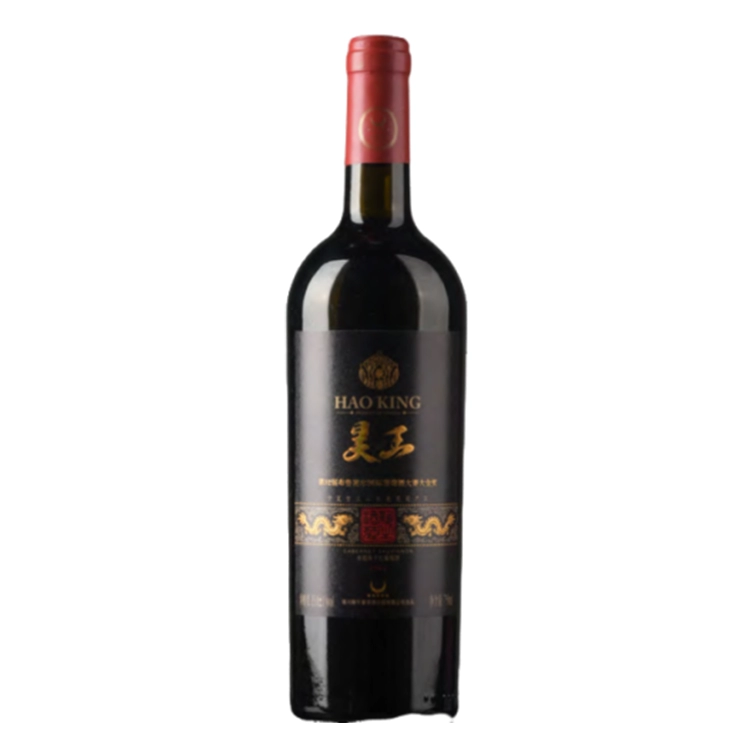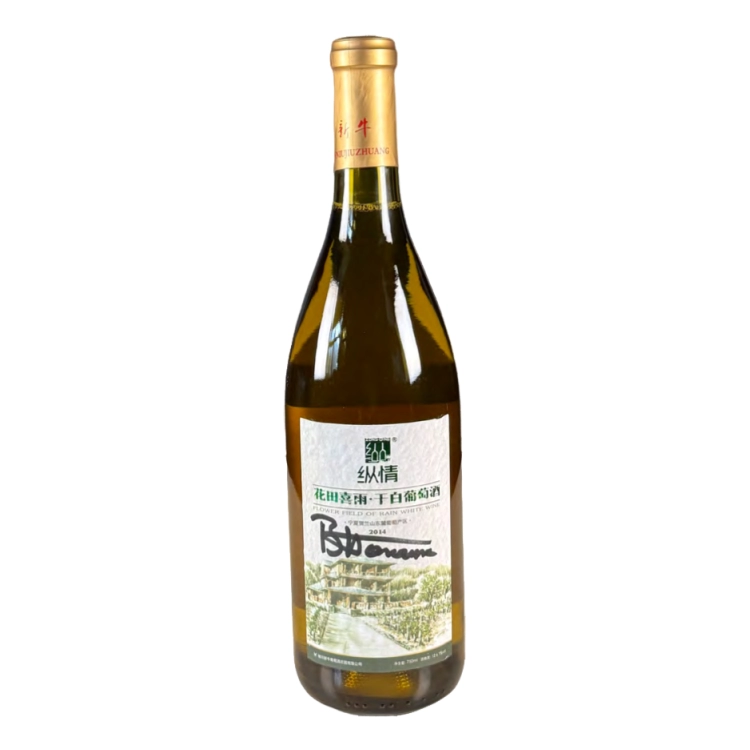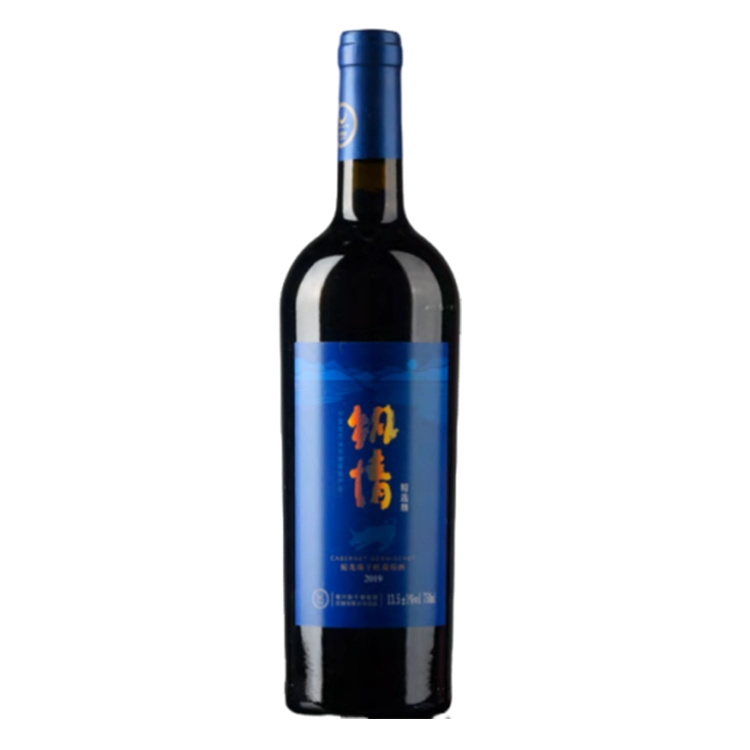
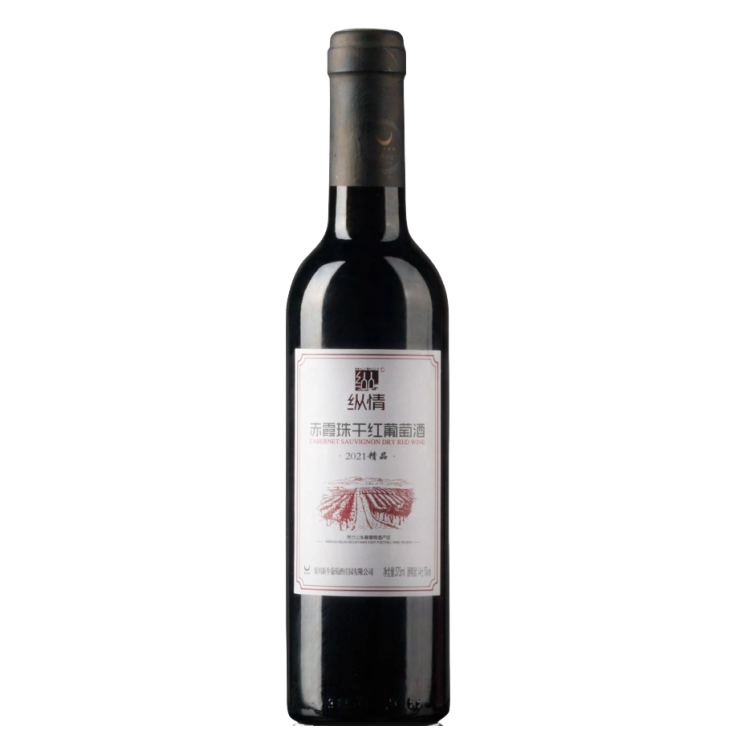
Wine is one of the more forgiving products to import and one of the least forgiving to import badly. Bottles are heavy, glass breaks, and heat damages wine in ways that only become visible months later. For buyers putting together a first container of Chinese wine, the difference between a profitable order and an expensive lesson usually sits in a handful of practical decisions.
This guide covers the buying mechanics: formats and case configurations, minimum order quantities, shipping temperature, documentation and the quality checks worth doing before a container leaves.
Bottle formats and what they change
- 750 ml - the standard export format and the only format most retail buyers want.
- 375 ml - half bottles; useful for tasting flights, hotel minibars and gift sets.
- 1.5 L magnum - a premium and gifting format. Larger formats age more slowly, which suits reserve-level reds, but they need their own carton specification.
- Bag-in-box and bulk - relevant for high-volume food service, but the wine has to be designed for it, and it is a different product rather than a packaging variant of the same one.
Non-standard formats cost more to produce than the volume ratio suggests, because moulds, closures, labels and cartons all change. Confirm the format before quoting, not after.
Case configurations and pallet maths
Most wine moves in cases of six or twelve bottles. The carton specification determines everything downstream - freight cost per bottle, pallet efficiency, breakage risk and warehouse handling.
- Ask for carton dimensions, gross weight and bottles per carton in writing. These drive your freight calculation more than the bottle count does.
- Check pallet configuration and maximum stack height for both the origin and destination market; a pallet that exceeds the destination warehouse limit gets repalletised at your cost.
- Confirm the carton grade. Wine cartons are structural: they carry the load in the stack. Thin board and poor corner protection are the usual cause of breakage claims.
- Request a pre-shipment carton test on the actual packed carton, not on a prototype.
Minimum order quantities and mixed orders
- MOQ is usually set per SKU, not per order. A range of eight wines may require a minimum quantity for each one.
- Mixed pallets are often possible and are the practical way to test several wines before committing to volume.
- Label changes have their own minimum. A custom label needs plates or digital setup, so a private-label SKU carries a different MOQ from a stock label.
- Ask what MOQ does to unit price. The step between two order sizes is often larger than the step between two vintages or two label designs.
Shipping: temperature is the real risk
Wine is not fragile in transit because of movement, it is fragile because of heat. Prolonged exposure above roughly 30 C accelerates ageing and can push a wine past its best; repeated temperature swings during loading and unloading are worse than a steady warm voyage. Freezing is equally damaging, and it produces pushed corks and broken seals.
- Reefer or insulated container in warm months. If the route crosses the tropics or the shipment loads in summer, specify temperature control rather than hoping for the best.
- Thermal liners and pallet covers are a cheaper intermediate option for short or shoulder-season routes.
- Minimise port dwell time. Most heat exposure happens on the quay, not at sea.
- Insure the cargo. Confirm that the policy covers heat damage, not only breakage.
Documents and labelling
- Commercial invoice, packing list and bill of lading, with bottle counts that match the physical shipment.
- Certificate of origin and, where required, a health or food-safety certificate for the wine.
- Laboratory analysis covering alcohol content, total and volatile acidity, residual sugar and sulphites.
- Destination-market labelling. Most markets require the importer's name and address, net volume, alcohol by volume and a sulphite declaration. Where the label must be applied or over-stickered locally, plan the artwork and cost before the order, not on arrival.
- Customs classification and duty calculation based on alcohol content and packaging.
Quality checks before the container leaves
- Sealed samples from the production lot, not from a showroom bottle, tasted against the reference sample you approved.
- Fill level and closure check on a sample of bottles from the pallet being loaded.
- Label verification - vintage, variety, alcohol and importer details on the carton you are shipping.
- Carton and pallet check with photographs of the loading pattern.
- Retain the sample. A sealed bottle from each lot makes later disputes factual rather than a matter of opinion.
Buying checklist
- Fix the format, carton specification and pallet configuration before comparing prices.
- Confirm MOQ per SKU, and test the range with a mixed pallet first.
- Specify temperature-controlled or insulated shipping for any route through warm conditions.
- Have the destination-market label requirement settled before production.
- Collect the full document set, including laboratory analysis, with the shipment.
- Taste and retain sealed samples from each lot, and photograph the loading.